
A camera is useful when its field of view, image detail, recording path, and service access match the reason it was installed.
UaPtoTech surveys the site, plans useful coverage, installs PoE pathways and cameras, configures NVR or VMS equipment, enables approved remote-viewing and analytics functions, and commissions the system around the scenes the property needs to understand.
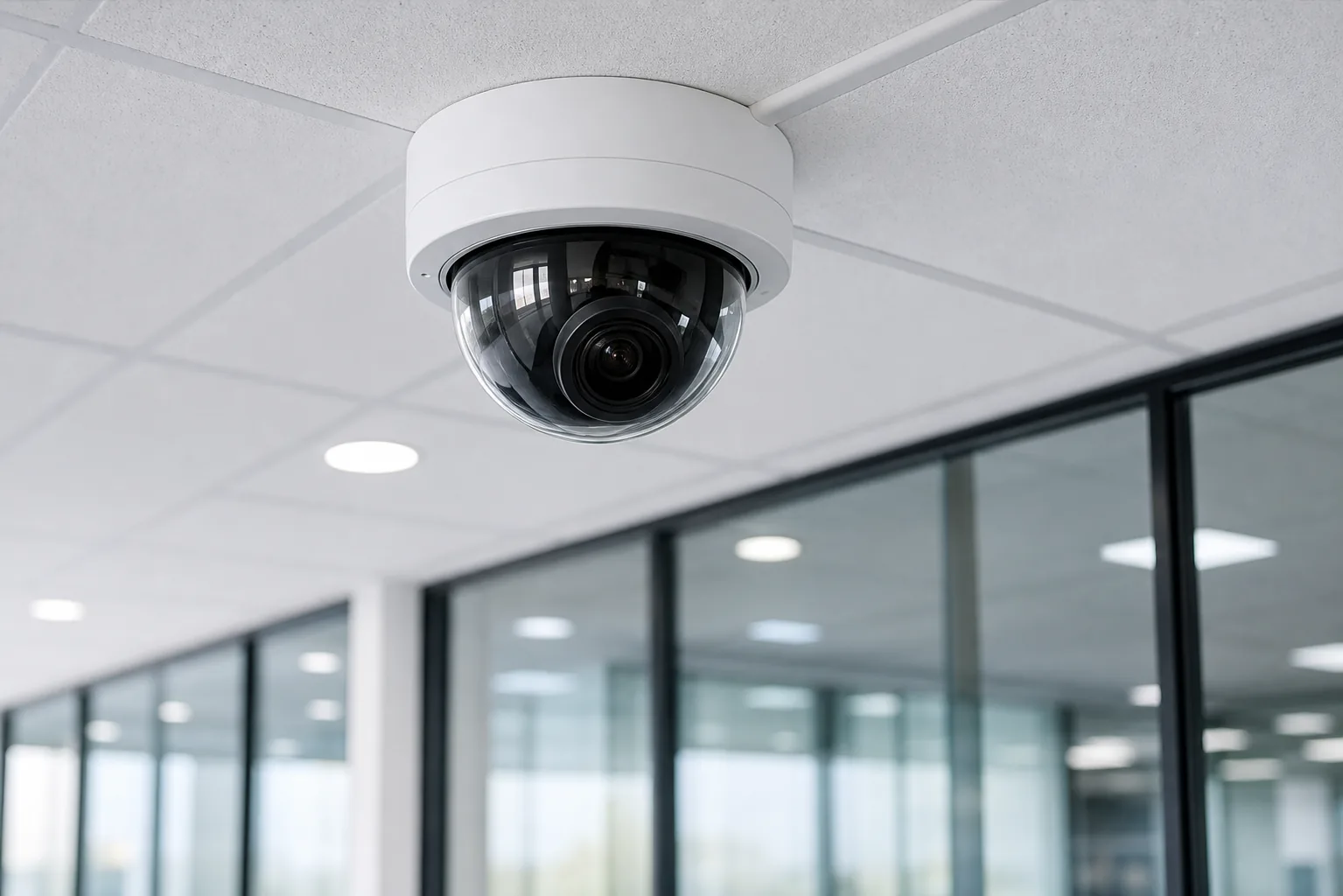
Design around the scene that matters.
A wide view may establish context while a tighter view may be needed for identification. The project plan should state what each position is expected to see.
Field of view
Entrances, counters, corridors, loading areas, parking approaches, and other activity zones are reviewed around the required detail.
PoE and network path
Cable distance, switch capacity, PoE demand, uplinks, and the recorder location are considered with the camera layout.
Recording and operations
NVR or VMS capacity, retention goals, remote viewing, analytics, user access, and a practical service path are included in planning.
Typical surveillance scope
- Property walk-through and coverage discussion
- Camera location and cable-path planning
- PoE cabling and network coordination
- Camera mounting, aiming, scene verification, and commissioning
- NVR or VMS setup, remote-viewing, analytics, and user coordination
- Expansion, replacement, and cleanup of existing systems
Coverage should be explainable.
At handoff, device locations and network paths should make sense to the people operating the property. UaPtoTech keeps the camera, cable, and rack sides coordinated so later troubleshooting does not begin with guesswork.
Before the site walk
How do you decide where cameras should go?
Placement begins with the event or area the property needs to understand. Lighting, distance, angle, obstructions, mounting access, and the required image detail are then reviewed for each proposed position.
Can cameras share the business network?
Many IP cameras use the same structured network, but bandwidth, PoE capacity, segmentation, uplinks, recording traffic, and remote access should be planned rather than assumed.
Can you expand an existing camera system?
Often, yes. Existing recorder capacity, licensing, network ports, PoE budget, cable paths, device compatibility, and the condition of the current installation are checked before an expansion is proposed.
Do you provide staffed video monitoring?
No. UaPtoTech installs and commissions surveillance infrastructure and can coordinate remote access, but does not operate a staffed 24/7 monitoring center.